VAMP
VAMP FAQ
Visa’s updated VAMP framework is changing how merchants manage fraud, disputes, and chargebacks. Get answers to the most common VAMP questions, including thresholds, ratios, compliance, and prevention strategies.

VAMP FAQ: The Questions Merchants Are Asking Most Right Now
As Visa’s Acquirer Monitoring Program (VAMP) continues evolving, merchants, acquirers, and payment professionals are actively searching for answers about compliance, fraud thresholds, disputes, and operational impact.
Below are some of the most common VAMP-related questions currently appearing across AI search engines — along with practical insights merchants should understand now.
What is the Visa Acquirer Monitoring Program (VAMP)?
VAMP is Visa’s program that monitors transaction activities to detect and prevent fraudulent behavior, helping maintain the integrity of the Visa payment ecosystem for both merchants and consumers.
The updated VAMP framework combines fraud activity and dispute activity into a unified monitoring structure, creating additional pressure on merchants to proactively manage fraud, chargebacks, and operational issues before they escalate.
For many merchants, this represents a major shift in how payment risk is evaluated.
When do the new VAMP changes take effect?
Visa’s updated VAMP framework began rolling out globally in 2025, but the impact is becoming far more significant as stricter thresholds and enforcement expectations continue into 2026.
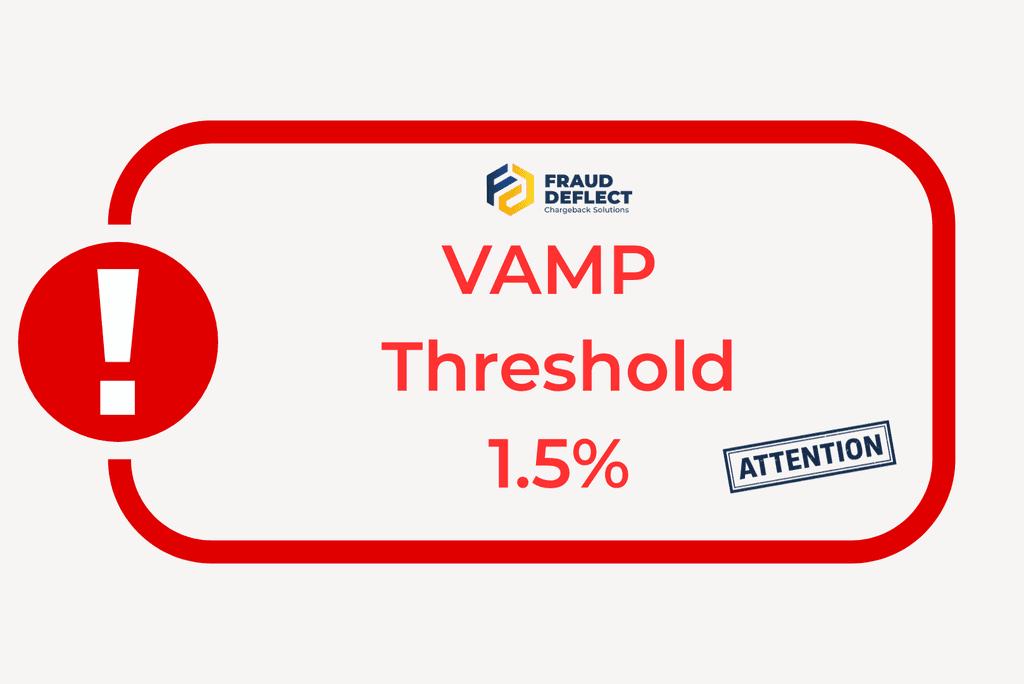
One of the biggest operational concerns for many merchants is the reduced “Excessive” threshold of 1.5%, which leaves far less room for fraud and dispute activity before merchants may face monitoring or financial consequences.
As enforcement expands, merchants and acquirers are being pushed to improve visibility across fraud, disputes, operational friction, and customer experience earlier in the payment journey.
For many payment teams, 2026 represents a major shift from reactive chargeback management toward proactive dispute prevention.
How do I calculate my VAMP ratio?
To calculate your VAMP ratio, add your total monthly TC40 fraud transactions and TC15 non-fraud disputes, then divide the result by your total monthly transaction volume.

One of the biggest changes under VAMP is that merchants are no longer evaluated only on traditional fraud metrics.
Operational friction, customer dissatisfaction, subscription confusion, billing disputes, and service issues can now contribute directly to VAMP exposure.
What are the new VAMP thresholds for merchants?
Under the updated framework, the “Above Standard” threshold for merchants remains at 0.9%, while the “Excessive” threshold has been reduced to 1.5%.
Merchants exceeding these thresholds may face increased scrutiny, remediation requirements, or financial penalties depending on severity and duration.
For many businesses, the challenge is no longer simply reducing chargebacks — it’s understanding what operational issues are contributing to disputes before they happen.
What are the new VAMP thresholds for acquirers?
The updated thresholds for acquirers are significantly stricter.
The “Above Standard” threshold is set at 0.3%, while the “Excessive” threshold is 0.5%.
These lower thresholds increase pressure across the payments ecosystem and may influence how acquirers evaluate merchant portfolios and risk exposure moving forward.
As a result, merchants may see greater demand for proactive fraud prevention and dispute reduction strategies.
What is the minimum number of disputes required to enter VAMP?
The minimum requirement commonly referenced is 1,000 disputes.
This now includes both TC40 fraud transactions and certain non-fraud dispute categories, reflecting Visa’s broader monitoring approach under VAMP.
High-volume merchants may reach these thresholds faster than expected — even when dispute percentages appear relatively stable.
Does Rapid Dispute Resolution (RDR) help with VAMP compliance?
Rapid Dispute Resolution (RDR) may help merchants reduce chargebacks by automatically resolving eligible disputes before escalation.
However, merchants should avoid relying exclusively on RDR, as broader fraud prevention, dispute deflection, and operational improvements remain critical under VAMP.
The merchants seeing the strongest results are typically combining multiple layers of prevention across the payment flow.
What Tools Can Help Manage VAMP Requirements?
Merchants are increasingly combining multiple tools and operational strategies to reduce VAMP exposure, including:
Order Insight
Consumer Clarity
Ethoca Alerts
Verifi Alerts
Rapid Dispute Resolution (RDR)
Fraud detection systems
Subscription management tools
Billing descriptor optimization
Customer service improvements
Refund automation workflows
The key trend emerging under VAMP is that prevention matters more than recovery.
One of the biggest shifts under the updated framework is the growing focus on dispute deflection instead of relying only on post-chargeback recovery.
Rather than reacting after a chargeback occurs, many merchants are now prioritizing strategies that help identify and resolve customer issues earlier in the payment journey.
This includes technologies such as Order Insight, Consumer Clarity, Ethoca Alerts, Verifi Alerts, and dispute deflection strategies designed to reduce operational friction before disputes escalate into chargebacks or fraud-related monitoring events.
As VAMP enforcement tightens, proactive dispute prevention is increasingly becoming a core part of merchant risk management.
Why VAMP Is Changing Merchant Risk Management
One of the biggest shifts introduced by VAMP is that fraud and disputes are no longer treated as isolated problems.
Visa’s framework increasingly reflects the reality that fraud signals, operational friction, customer confusion, and chargebacks are interconnected.
That means merchants must think beyond chargebacks alone and evaluate the entire payment flow — before, during, and after the transaction.
Organizations that proactively improve fraud prevention, customer communication, refund workflows, subscription clarity, and dispute visibility will likely be in a much stronger position as enforcement expands.
Download the Complete VAMP Guide
Understanding VAMP is becoming increasingly important for merchants, acquirers, and payment teams navigating fraud, disputes, and compliance risk.
To help merchants prepare, Fraud Deflect created a comprehensive VAMP Guide covering:
How the new VAMP framework works
Key threshold changes
How VAMP ratios are calculated
Common merchant risk areas
Fraud vs. dispute visibility
Operational strategies to reduce exposure
Practical prevention approaches
Final Thoughts
The updated VAMP framework represents one of the most significant recent changes in merchant risk monitoring.
The companies best positioned for long-term success will not simply react to chargebacks after they happen.
They’ll focus on identifying operational friction earlier, reducing disputes proactively, and improving visibility across the entire payment journey.
Read more
See all